General terms and conditions for Dutch business operations
Category: InsightsHow Dutch B2B companies use standard terms to control commercial risk
General terms and conditions are standard contractual provisions used by a business to regulate payment, delivery, liability, retention of title, warranties, dispute resolution and other recurring commercial terms.
For a Dutch subsidiary or Dutch operating company, general terms and conditions can be an efficient way to manage legal risk across many customer or supplier relationships. But they only work properly if they are incorporated into the contract process and aligned with the company’s actual commercial operations.
This article is part of the ViottaLaw series on setting up in the Netherlands for international companies and investors implementing Dutch business operations.
Why general terms matter
Dutch B2B companies often use general terms to standardise their contracting position. This is useful when a company enters into many similar transactions, such as sales, services, supplies, distribution, SaaS subscriptions or purchase orders.
The terms can reduce negotiation time and provide predictable rules on payment, delivery, liability, title, termination and disputes. They can also support credit control and risk allocation.
However, general terms are not a substitute for proper contract management. Important or strategic contracts may still require negotiated agreements.
Applicability and incorporation
The most important practical issue is whether the general terms actually apply. The company must be able to show that the terms were incorporated into the contractual relationship.
In practice, this means the terms should be provided or made available at the right moment, referred to in offers and order confirmations, accepted in the contracting process and consistently used by sales teams.
A common problem is the “battle of forms”, where both parties refer to their own terms. The Dutch company should have a clear process for rejecting the other party’s terms and confirming its own terms.
Limitation of liability
Limitation of liability is usually one of the most important provisions. A Dutch company may want to cap liability by contract value, annual fees or a fixed amount, and exclude indirect damages, loss of profit or consequential loss.
The limitation should match the business model. A SaaS provider, distributor, manufacturer, consultancy and supplier do not all have the same risk profile. The general terms should reflect the commercial reality.
Payment, delivery and retention of title
Payment terms should deal with invoicing, due dates, interest, collection costs, suspension rights and set-off restrictions. Delivery terms should address timing, risk transfer, transport, acceptance and delays.
Retention of title can be important for suppliers of goods. It allows the seller to retain ownership until payment has been made, subject to proper drafting and implementation. This is particularly relevant where customers receive goods before paying.
Governing law and disputes
Dutch general terms should include a clear governing law and dispute resolution clause. Depending on the business, this may involve Dutch courts, a specific court, arbitration or another dispute mechanism.
Foreign groups should check whether their global terms select a foreign law or forum that is practical for Dutch operations. In some cases that may be acceptable; in others, Dutch law and Dutch courts may be more efficient.
FAQ
Are general terms and conditions common in Dutch B2B contracts?
Yes. They are widely used for recurring commercial relationships.
Is placing terms on a website enough?
Usually not by itself. The company should have a process to incorporate the terms into each contractual relationship.
Can general terms limit liability?
Yes, but the limitation should be properly drafted and appropriate for the business model.
What is the main implementation risk?
The main risk is that the terms are well drafted but not properly incorporated into the sales or contracting process.
About Dirk de Waard
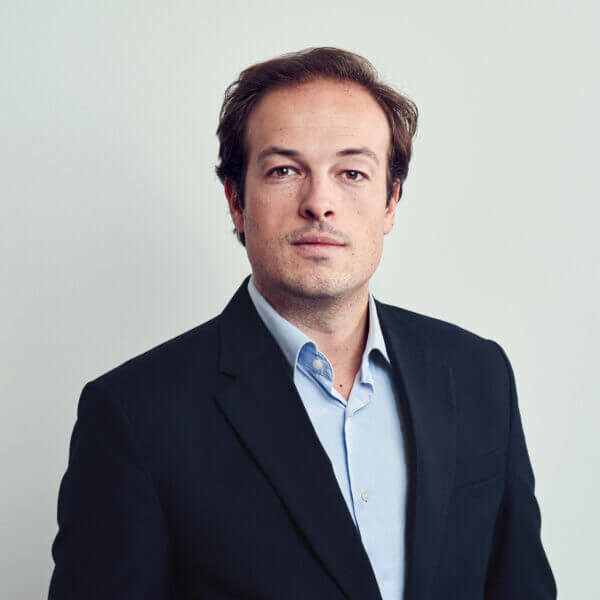
Dirk de Waard is a Dutch corporate / M&A and commercial contracting lawyer, partner at Venture Lawyers in Amsterdam, and advises Dutch companies, subsidiaries and international groups on general terms and conditions, commercial contracts and Dutch legal implementation.
Do your Dutch general terms actually apply?
General terms only protect the business if they are properly drafted, incorporated and used in daily contracting.
Dirk de Waard advises Dutch companies and international groups on general terms and conditions for Dutch business operations. Contact Dirk de Waard at dirk.dewaard@viottalaw.com to review or implement Dutch B2B terms that match your commercial process.